
Healing w Hope
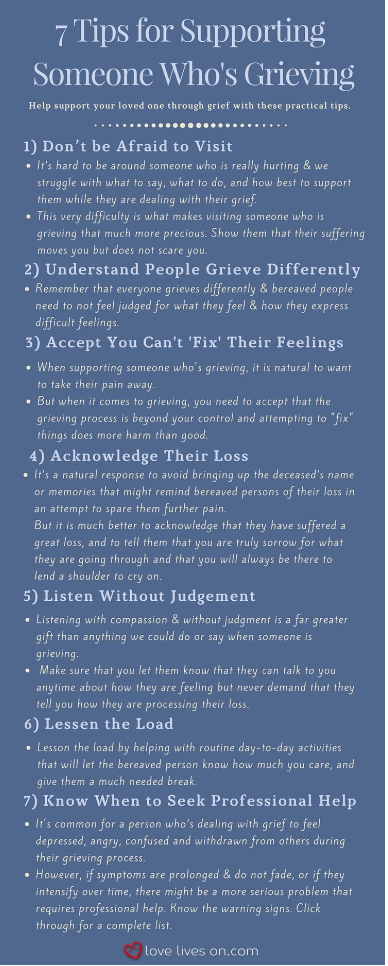
There are also things that bereaved persons have told us are not helpful. It may be easier for you to give this to your friends, co-workers, family members or even post on social media as an aid for them to help support you as to eliminate the awkwardness and comfortability for all parties involved. Pick the ones which are relevant and speak your truth as everyone is different – as to are those supporting us.
- while it is good to talk about the person who has died, it is important to assess whether the bereaved person is comfortable about that
- inhibiting them by offering advice
- stopping contact with the person if the “going gets too heavy”
- lectures or reasoning
- expecting or judging how they should be feeling or behaving
- using clichés such as “time heals all wounds”
- false reassurance
- saying “I know how you feel”
- trying to do everything for them
- comparing one loss to another
- describing the theory of grief
- taking the focus away from what they are saying
- equating a loss you have experienced to this loss
- giving details of your grief, unless the bereaved person finds this relevant to their situation
**The most important thing you can do is to really try to understand and accept the person in their time of grief. Everyone is different
 Supporting Youth
How to help as relative, family friend, teacher or other professional
- Let young people know their loss is recognised
- Identify yourself as a safe person who is open and willing to listen (although don’t force young people to talk)
- Help young people to manage their feelings in di erent contexts (such as at school)
- Monitor their progress on their studies and identify if they might need additional support (this helps prevent schoolwork becoming a further source of stress)
- Check in with the young person regularly to keep communication open over time
source: Good Grief
THE BEST RELAXATION TECHNIQUES ARE SIMPLE AND COST NOTHING
LISTEN TO QUIET MUSIC
Relaxation music is not the only one to ease our troubled minds. In fact many of us get irritated by croak of frogs or sound of the sea. Not all have a desire to listen to flute music as well. Fortunately, free music is all we need. Slow and peaceful rhythm that lowers blood pressure and slows heart rhythm. It is good to record a few calming songs on your mp3 to play them in stressful situations.
TAKE A BREAK
Set the timer for five minutes, find a quiet and favourite place in your home. Close yourself there for a few moments. Sit and breathe deeply. Breathing deeply, you improve your blood circulation and brain function. It is also easier to control our panic attacks. Problems do not longer overwhelm us, and we manage better to solve a difficult situation.
LIGHT A SCENTED CANDLE
Lavender, lemon and mango are the scents that work the best. They consist of linalol – essential oil of natural origin, which limits the effects of hormones, releasing in stressful situations.
LAUGH
Laughter makes your heartbeat and blood circulation work faster. They fall gradually after some time leaving you calm and relaxed. Laughter is truly the best medicine that makes us forget about the problems for awhile. We get the euphoria, we are happy and relaxed. If you feel overwhelmed, turn your favorited comedy on, watch a good sitcom or funny video clips on the Internet.
HELP OTHERS
You do not need to join the Peace Corps, to feel that you change the world for better. Small favour done to your neighbour can make you feel better. There is nothing worse than a complete focus on yourself. Then, even a small worry will take monstrous proportions. Paying attention to the others can help you forget about your stressful life and make you feel a man of great worth. Remember that the good you do always comes back to you sooner or later.
GO FOR A WALK WITH A FRIEND
In this way, you have an opportunity to talk with somebody and increase the level of endorphin in your body. my form of movement contributes to the increased secretion of this hormone. It is commonly known that people who exercise regularly are less exposed to depression.
LISTEN TO THE OTHERS
It is not about feeling better that other people are in worse situation than we. Researches show that those people who provide emotional support to another feel less stressed. There is nothing surprising in this – if we stop focusing on yourselves, we do not feel so overwhelmed by our worries.
CHEW SUGAR-FREE GUM his finding by Australian researchers. Chewing sugar-free gum may decrease the levels of cortisol – the stress hormone.
FOCUS ON SOMETHING ELSE
If you are going to analyse your worries all over again, you will feel even more stressed and unhappy. Invite your friends to play some board games or do the crosswords and sudoku – such activities make you focus and not allow your thoughts drift away to dangerous areas.
LOOSEN YOURSELF
Literally. Well-matched clothes, especially those around the abdomen tighten the muscles, which in effect makes us tense.

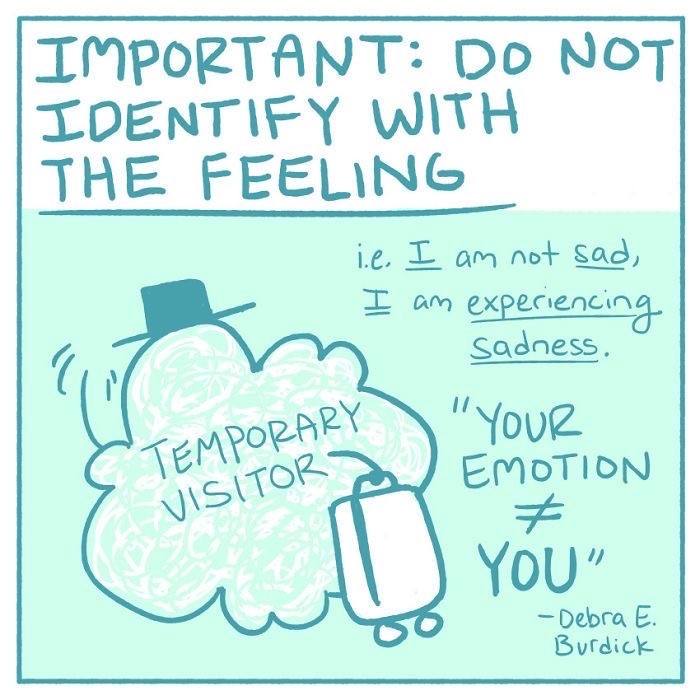
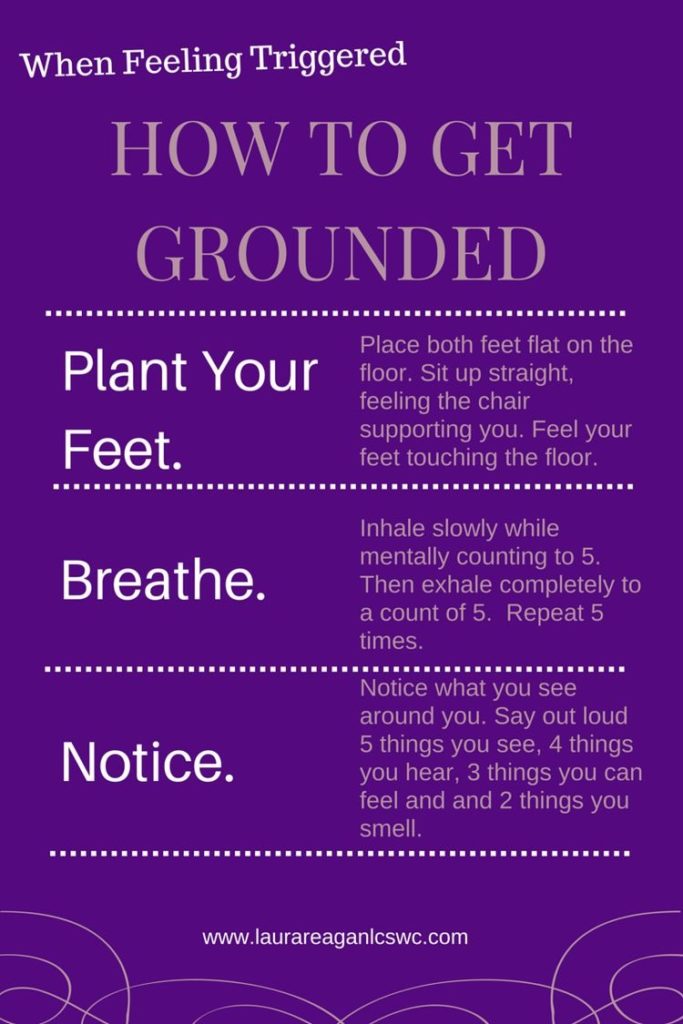
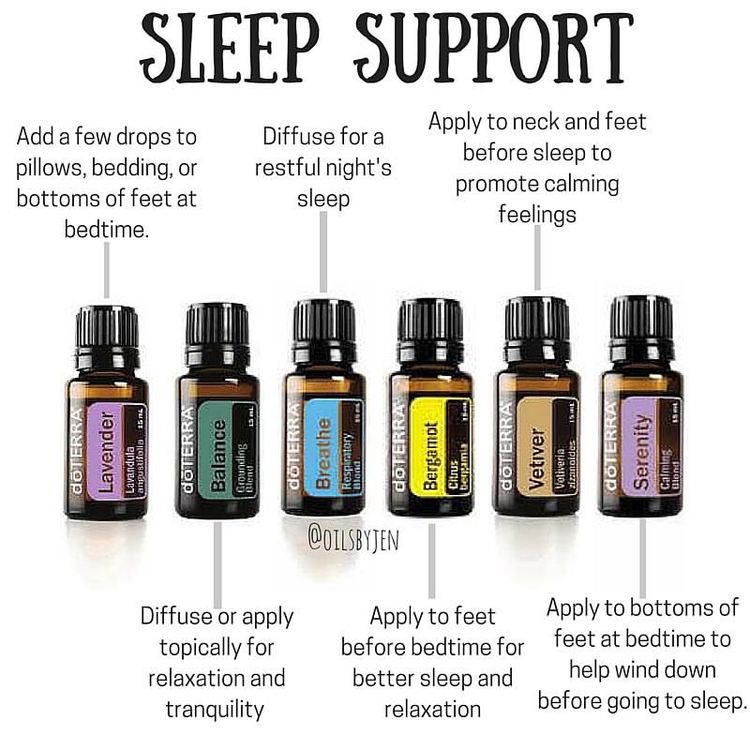




- Only you know your heart & what it needs, do what’s right by your heart
The grief journey is a confusing one don’t navigate it alone;
Grieving is much easier done alongside a community of friends with similar experience to call on enabling them to help.
Being understood IS crucial for your healing!
When someone looks at you and you know they get exactly how you feel or the comfort of sitting with another where no words are spoken but a mutual understanding shared of the pain deep within you heart.
By getting connected with TCF you can learn from your peers healthy coping and how to adapt to your new life. We open our arms and community to you; bereaved siblings instilling hope for a brighter tomorrow in one another, sharing ideas, talking through worries, fighting through struggles and guiding one another to make healthy decisions.
You may experience all kinds of difficult and unexpected emotions, from shock or anger
to disbelief, guilt, and profound sadness.
The pain of grief can also disrupt your physical health, making it difficult to sleep,
eat, or even think straight. These are normal reactions to loss—
and the more significant the loss, the more intense your grief will be.
Coping with the loss of someone or
something you love is one of life’s biggest challenges.
It is important to note again that not everyone’s experience of grief, or what helps them deal with their grief, is the same. So in this discussion we are not saying anything prescriptive, but we are trying to assist broader understanding.
Take what you want to, take bits and pieces of everything, just stick to one section…. variety is to broaden perspective on the term healing… and to cover as much as possible in hope each and everyone one of you who connects to this page takes away one tip for personal growth